
Can real estate really protect your money from inflation? Many people have asked this question over the years, especially as rising costs continue to affect everyday spending, savings, and long-term financial plans. As the economy changes and the purchasing power of money declines, keeping money in cash may no longer provide the same sense of financial security.
This raises an important question: what can you own today that can continue to hold value as the cost of living increases?
Real estate has remained one of the most considered assets for wealth preservation. Property can retain value and appreciate as demand, infrastructure and economic activity increase, from residential properties and commercial spaces to landed properties in developing locations. However, real estate does not automatically protect every investment from inflation, as the location, property type, documentation, demand and development potential all matter.
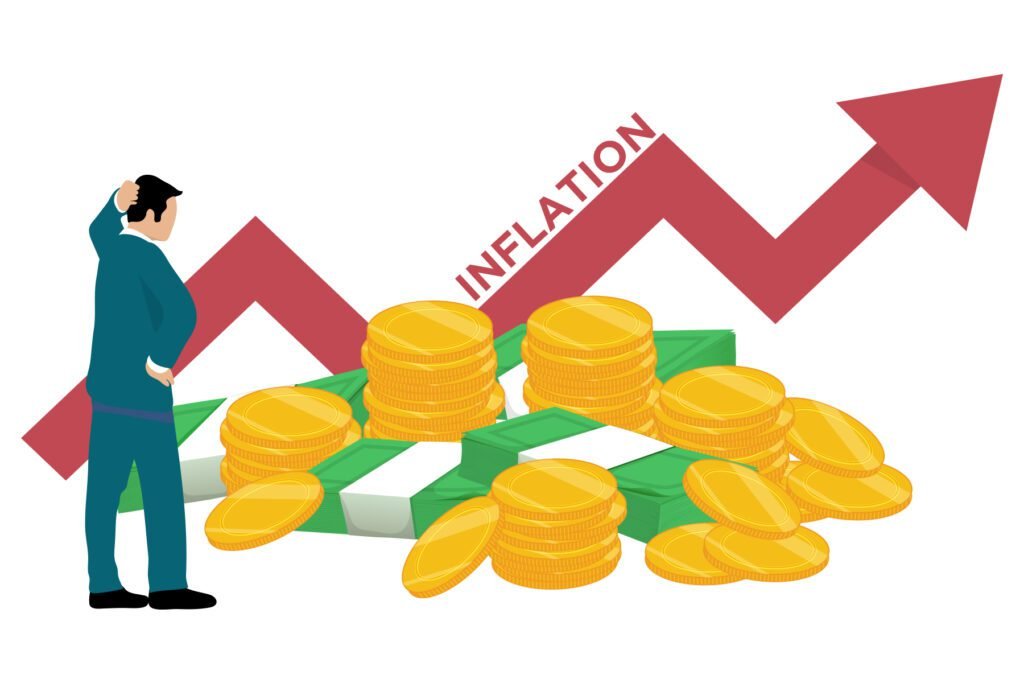
Inflation occurs when the prices of goods and services increase over time, reducing the purchasing power of money. In simple terms, the amount of money that buys certain goods today may buy considerably less in the future.
Understanding Inflation and Your Money
Inflation occurs when the prices of goods and services increase over time, reducing the purchasing power of money. In simple terms, the amount of money that buys certain goods today may buy considerably less in the future.
This becomes a concern when money remains idle for long periods. Although the figure in a bank account may remain unchanged, the real value of that money can gradually decline as prices rise.
Real estate works differently because it is a physical asset with an underlying market value. As the cost of land, construction materials, labour and development increases, property values can also rise. In locations where demand continues to grow, this can help property owners preserve and potentially increase their wealth.
Rental Income Can Strengthen Property Value
Real estate can also generate income through rent, and a properly located residential or commercial property can provide rental income while the underlying asset retains the potential to appreciate. As the cost of living and property values increase, rental rates may also adjust in response to market demand.
This creates two potential benefits for a property owner: income generated from the property and long-term appreciation in its market value. This rental increment, however, depends on factors such as location, property demand, tenant demand, property management and the type of asset purchased
Location
Real estate does not appreciate simply because it is real estate. Location remains one of the strongest factors determining how a property performs over time.
A property situated in an area with poor accessibility, limited infrastructure and weak demand may struggle to gain value. A property in a growing community with improving infrastructure, good connectivity, and increasing economic activity has stronger fundamentals.
Before purchasing property, buyers should therefore examine accessibility, existing and planned infrastructure, population growth, surrounding developments and the long-term direction of the area.
Why the Developer Matters
The developer’s quality also matters, as unclear ownership, poor documentation, inadequate infrastructure, or development plans that don’t translate into delivery can undermine a property’s potential. That is why buyers need to look beyond location and price before committing their money.
Mshel Homes understands that property ownership is a long-term financial decision. Our developments are designed around locations with growth potential, supported by planned infrastructure and communities that cater to changing housing and lifestyle needs.
We provide buyers with different property options while maintaining a focus on documentation, transparency and structured payment plans, from landed properties to residential developments.
As inflation continues to affect purchasing power, owning a well-selected property can give your wealth a physical foundation. Instead of allowing rising prices to gradually reduce what your money can buy, real estate gives you the chance to own an asset that can grow alongside the environment around it.
Your money deserves more than a place to sit. It deserves an asset with the potential to retain its value and grow with time.
So, Can Real Estate Protect Your Money From Inflation?
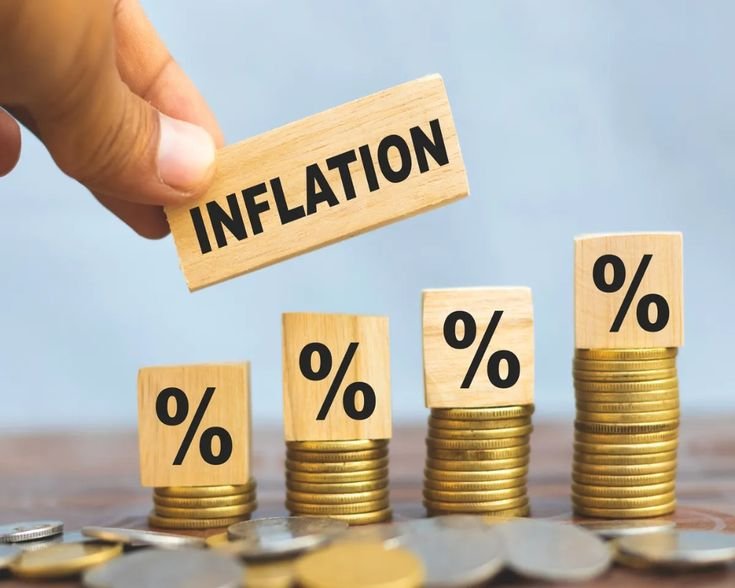
Real estate can help protect wealth from inflation, although it should never be treated as a guaranteed shield against rising prices.
The strength of a property investment depends on its location, demand, documentation, development potential and the quality of the developer behind it. A carefully selected property can retain its value, appreciate over time and, where applicable, generate rental income.
The smarter approach is therefore to look beyond the current price of a property and consider what could influence its value years from now.
Explore property options with us and take a deliberate step towards building wealth that can stand the test of changing economic conditions.